

Flood Insurance Designed Around Your Property & Risk
Protection Designed to Safeguard What Matters Most Through Changing Conditions and Unexpected Events
Flooding isn’t always predictable, and it’s not typically covered under most standard homeowners policies. Whether caused by heavy rainfall, storm surge, or rising water, flood damage can impact homes in both high-risk and low-risk areas.At HomePoint Insurance, we help homeowners explore flood insurance options designed around their property, location, and risk exposure so they can make informed coverage decisions.
Support Aligned with Changing Environmental & Property Risks
Flood risks can vary based on weather patterns, property characteristics, and location. We help homeowners understand their options and find coverage that aligns with their unique needs.

Customized Coverage Guidance
We take the time to understand your property and help you explore flood coverage options that align with your needs.

Comprehensive Flood Solutions
Access to both government-backed and private flood insurance solutions, giving you flexibility when evaluating coverage.

Simplified Insurance Support
We help simplify flood insurance decisions by providing guidance through reviewing the property’s location, elevation, and flood risk factors.
Dedicated Client Service
Whether you’re purchasing new coverage or reviewing an existing policy, we’re here to help very step of the way.
Why Flood Insurance Matters
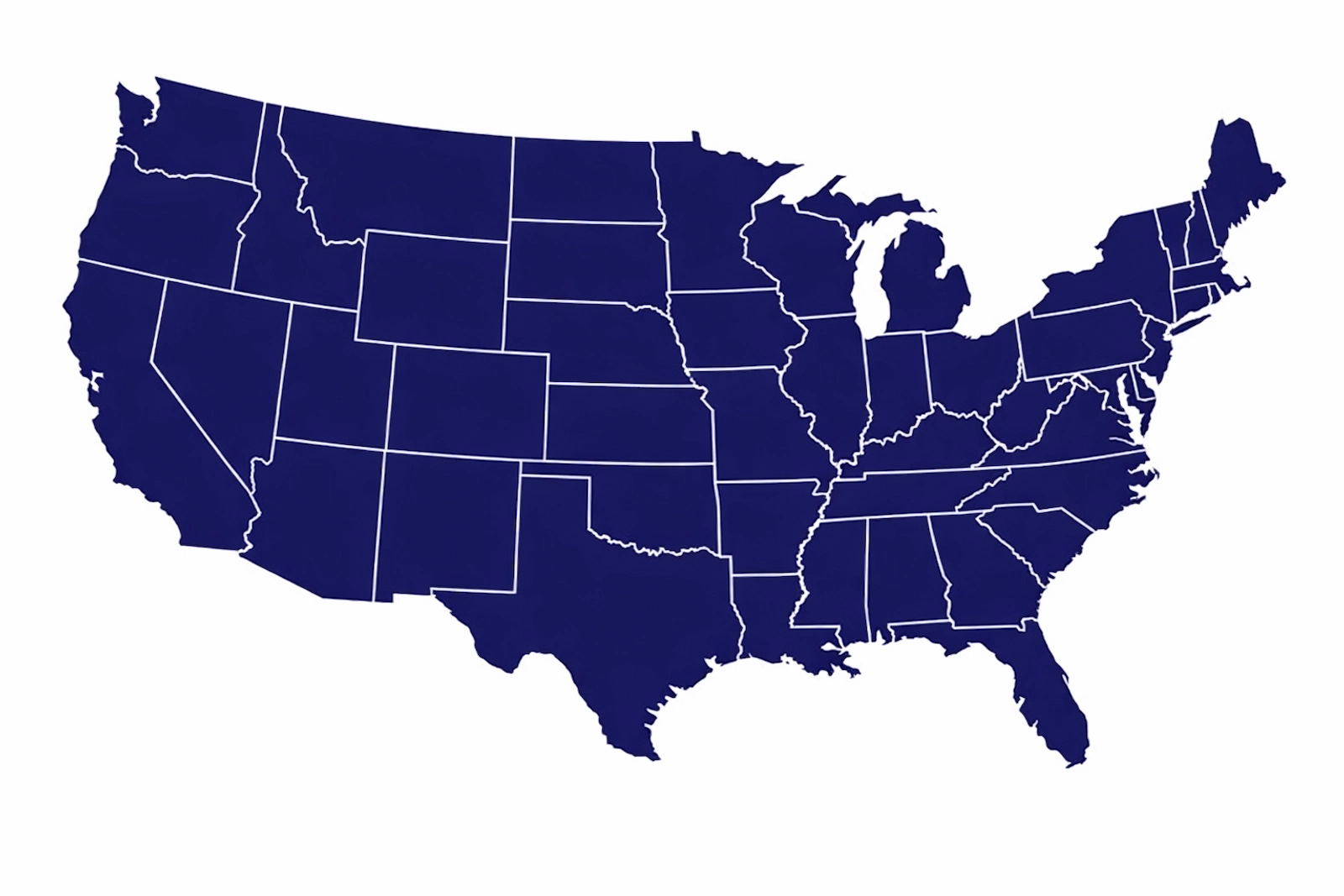
Many homeowners are surprised to learn that flood damage is generally not covered by a standard homeowners insurance policy.
Flooding can occur for many reasons including:
- Heavy rainfall
- Storm surge
- Overflowing rivers and streams
- Rapid snowmelt
- Local drainage issues
Even properties located outside of high-risk flood zones can experience flood-related losses. Understanding your property’s exposure can help you make informed decisions about protection.
Flood Insurance Explained
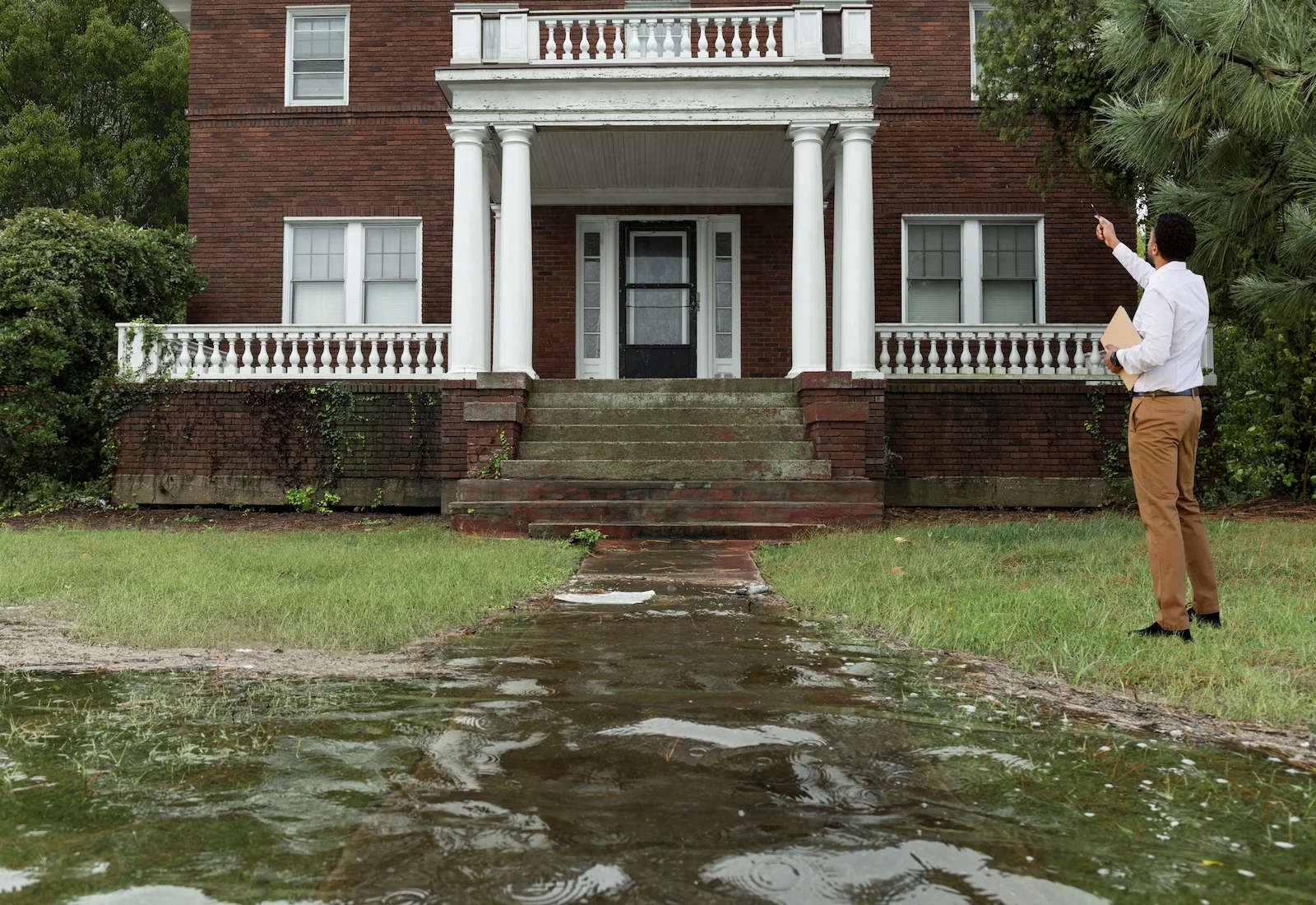
Building Coverage
Protection for your home’s structure, including foundation, walls, and essential systems.

Contents Coverage
Coverage for personal belongings such as furniture, clothing, and electronics.
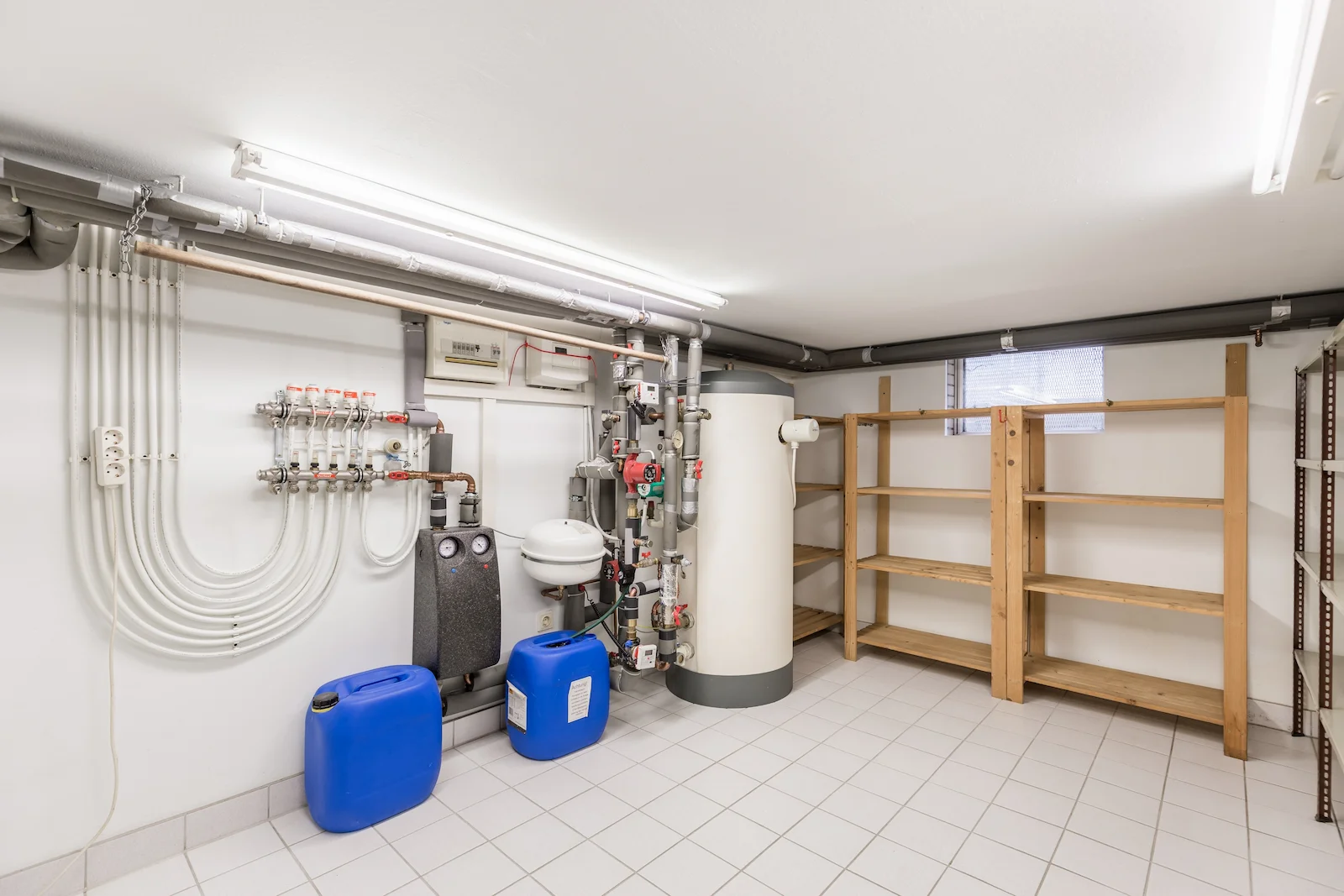
Basement & Below-Grade Coverage
Limited coverage for certain systems and equipment in lower levels.

Debris Removal
Helps covers the cost of removing debris caused by flood damage.

System Components
Coverage for electrical, plumbing, and HVAC systems impacted by flooding.
Why Homeowners Choose HomePoint Insurance
Personalized Risk Review
We help evaluate factors that may impact your flood insurance needs.
Multiple Coverage Options
Access to both government-backed and private market solutions.
Ongoing Support
Help reviewing coverage as your property or circumstances change.
Experienced Guidance
Support in understanding coverage options and making informed decisions.
Flood Risk Education
Helping you understand flood zones, mapping changes, and available protection options.
Understanding Your Flood Insurance Options
Flood Insurance may be available through the National Flood Insurance Program (NFIP) or through private insurance carriers. Understanding the differences can help you determine which option may be appropriate for your needs. Here at HomePoint, we work with carriers that fulfill lender requirements for your loan.

Private Flood Insurance
Coverage offered by private insurers that may provide additional options, higher limits, or expanded coverage features depending on the carrier.
National Flood Insurance Program (NFIP)
Government-backed flood insurance available through participating communities.
Explore Our Other Insurance Lines of Business

Protect your pet with insurance that helps cover unexpected vet bills — so you can focus on care, not costs.
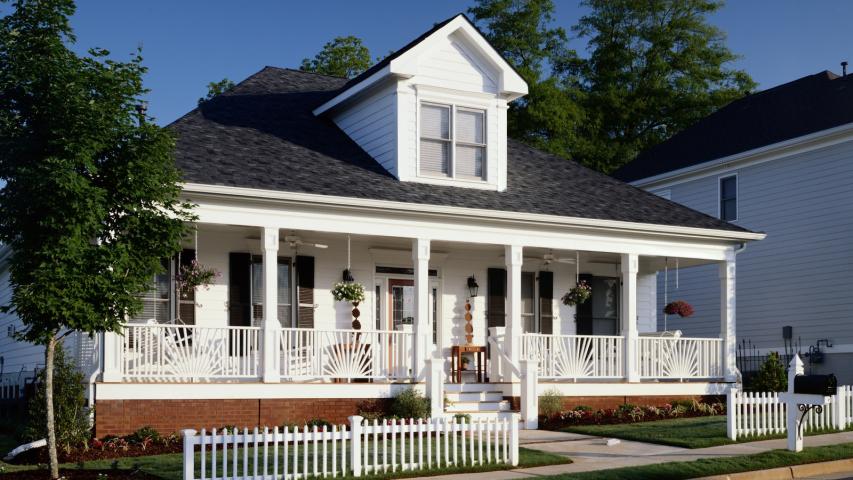
Your home is your most important asset. We will help design a policy that provides the protection you need
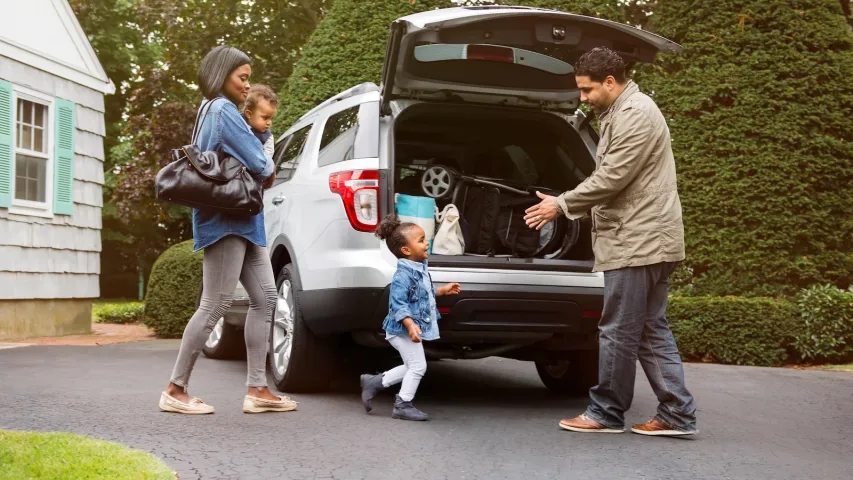
It is important that you have liability protection and coverage for damage to your vehicle in the event you are in an accident.

Umbrella liability insurance takes over where your home and auto insurance leave off.

While a landlord’s insurance typically covers structural damage, it won’t protect your personal property from fire, theft and other disaster.
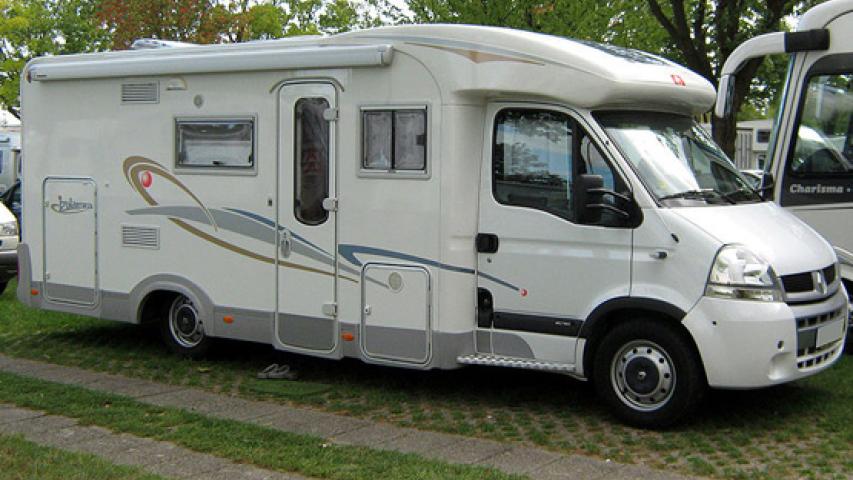
A recreational vehicle faces the same dangers on the road as an auto and it requires special insurance.
Protect Your Property with Confidence
Whether you’re purchasing flood insurance for the first time or reviewing your current coverage, our team is here to help you explore options and build protection that aligns with your property, location, and level of risk.
Coverage subject to policy terms and conditions
Flood Insurance FAQs
Flood insurance typically covers damage caused by rising water from heavy rain, storm surge, or overflowing bodies of water. This includes structural damage to your home and depending on your policy, certain personal belongings.
No. Standard homeowners insurance policies typically do not cover flood damage. A separate flood insurance policy is generally required to protect your home and belongings from flooding events.
Flood zones are areas designated by FEMA to indicate the level of flood risk for a property. These classifications help homeowners, lenders, and insurers better understand potential flood exposure and insurance requirements. For more information, Click Here.
Flooding can happen anywhere, not just in designated high-risk areas. In fact, many flood claims come from properties outside of high-risk zones.
Policies through the National Flood Insurance Program (NFIP) offer standardized coverage, while private flood insurance may provide higher limits, additional coverage options, and more flexible pricing.
Most flood insurance policies have a 30-day waiting period before coverage begins. However, exceptions may apply in certain situations, such as loan closings.
Coverage should reflect the cost to repair or rebuild your home and replace essential belongings. Your ideal coverage depends on your property, location, individual needs, and risk level.
No. Renters can purchase flood insurance to protect personal belongings, even if they don’t own the property.
Getting a quote is simple. You’ll typically need:
- Property address
- Year built
- Approximate square footage